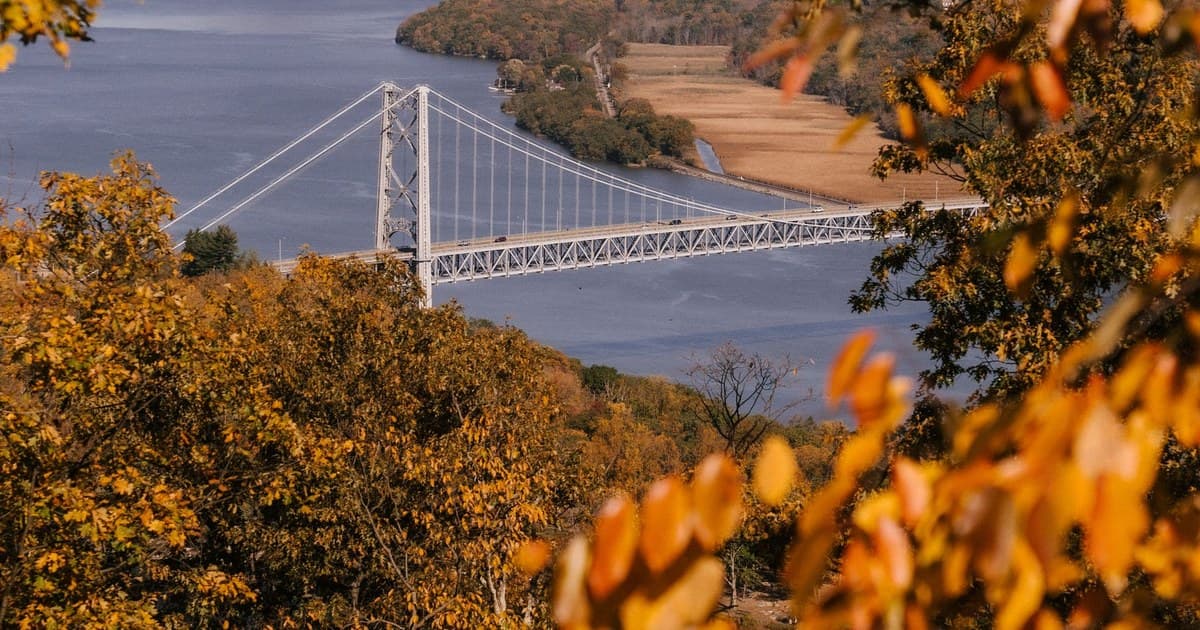


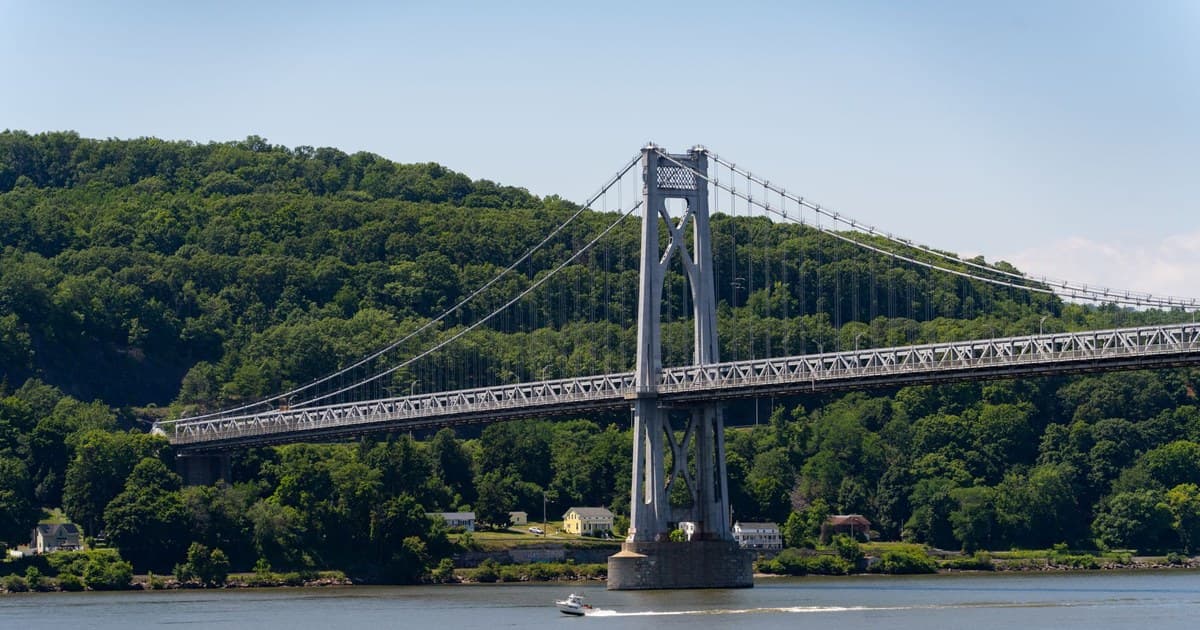
Poughkeepsie has an image problem it did not entirely earn. Most weekenders know it as the end of the Hudson Line, the place you change for somewhere prettier. Meanwhile the city quietly holds three cultural institutions that would anchor a weekend in any town on the river, all within a short drive of each other and two of them free.
The Bardavon, still running since 1869
The Bardavon 1869 Opera House at 35 Market Street is the oldest continuously operating theater in New York State and one of the oldest in the country. It opened in 1869 as the Collingwood Opera House, named for owner James Collingwood, and was designed by J.A. Wood. The building ran as a cinema until 1975, when downtown redevelopment plans would have razed it for a parking lot. Residents fought back, a nonprofit incorporated in 1976, and the theater went onto the National Register of Historic Places in October 1977 under the Bardavon name. That nonprofit still owns and runs the 944-seat house today.
The rescue is part of the story the building tells. A city that came close to paving over its opera house and then raised millions to restore it has a particular kind of loyalty to the place. More than $5 million went into the restoration work.
The programming is broad on purpose: touring music, dance, film, comedy and the Hudson Valley Philharmonic, whose education work runs through the same organization. The same nonprofit also operates UPAC, the 1,510-seat former Broadway Theatre at 601 Broadway in Kingston, which opened in 1927. Between the two, a fall weekend almost always has something on one side of the river or the other.
The reason to go is the room itself. A 19th-century opera house that never went dark has a particular feel: the sightlines are close, the balcony leans in, and a mid-sized act sounds better here than in any arena within two hours. Check bardavon.org for the season and book the balcony for anything with a big sound.
The Loeb, free and serious
The Frances Lehman Loeb Art Center sits at 124 Raymond Avenue, at the entrance to the Vassar College campus, and admission is free and open to everyone. It is open Tuesday through Sunday from 10 AM to 5 PM, with late hours on Thursdays until 9 PM from September through May. It closes on Mondays, on Thanksgiving Day and from December 24 through January 1.
The collection that justifies the trip is the Hudson River School holdings: 19th-century landscape painting of the same river and mountains you drove past to get here. Seeing it a few miles from the Hudson, after a morning on the water or the Walkway, is the kind of context most museums cannot offer. Free walking tours run most weekends at 2 PM during the academic year. A Thursday evening visit, when the building empties out and the campus is lit, is the best version.
Locust Grove, Samuel Morse's estate
Locust Grove at 2683 South Road is the estate Samuel F.B. Morse bought in 1847, three years after his telegraph breakthrough. Morse was a painter before he was an inventor, and in 1851 he hired the architect Alexander Jackson Davis to turn the existing house into the Italianate villa that stands there now. The Young family bought the estate in 1901, added a wing and modern systems, and their descendants preserved it. It was designated a National Historic Landmark in 1964.
The grounds are the draw for a late-season visit. Locust Grove covers 200 acres with five miles of trails through the landscaped grounds and woods, and the grounds are open daily from 10 AM to 5 PM. Mansion tours run on a seasonal schedule that narrows as the year winds down, so check lgny.org before counting on the house. The walk alone is worth the stop in November, when the bare trees open views that summer foliage hides.
Stitching it together
The three sites form an easy loop. Locust Grove sits south of downtown on Route 9, the Bardavon is downtown on Market Street, and the Loeb is east of downtown at Vassar. A day that starts with the grounds at Locust Grove at 10, moves to the Loeb after lunch and ends with an evening show at the Bardavon covers all three without much time in the car. The Walkway Over the Hudson, a mile and a quarter of free elevated path 212 feet above the river, is the obvious addition for anyone with an hour of daylight left.
- Morning: Locust Grove grounds and trails, 10 AM opening.
- Afternoon: the Loeb's Hudson River School galleries.
- Late afternoon: the Walkway, west toward the sunset.
- Evening: dinner downtown, then the Bardavon.
For a car-free version, Poughkeepsie is the northern terminus of the Metro-North Hudson Line and a stop on Amtrak's Empire Service. Downtown and the Bardavon are walkable from the station. The Loeb and Locust Grove are a short taxi ride.
For adults 21+
The Poughkeepsie town hub lists the city's licensed shops, and the broader dispensary map covers the rest of Dutchess County, including Beacon to the south and Hyde Park to the north. Verify licensed status via the OCM QR code at cannabis.ny.gov before you buy.
None of the stops above is a place to consume. Theaters and museums are indoor public spaces, the Walkway is a State Historic Park, and New York state law prohibits cannabis consumption on state-owned land and in public spaces. Keep purchases sealed and in the trunk while driving, never consume in a car, and save any consumption for a private residence or a rental where the host allows it. For what is on in the city this season, see the events calendar.