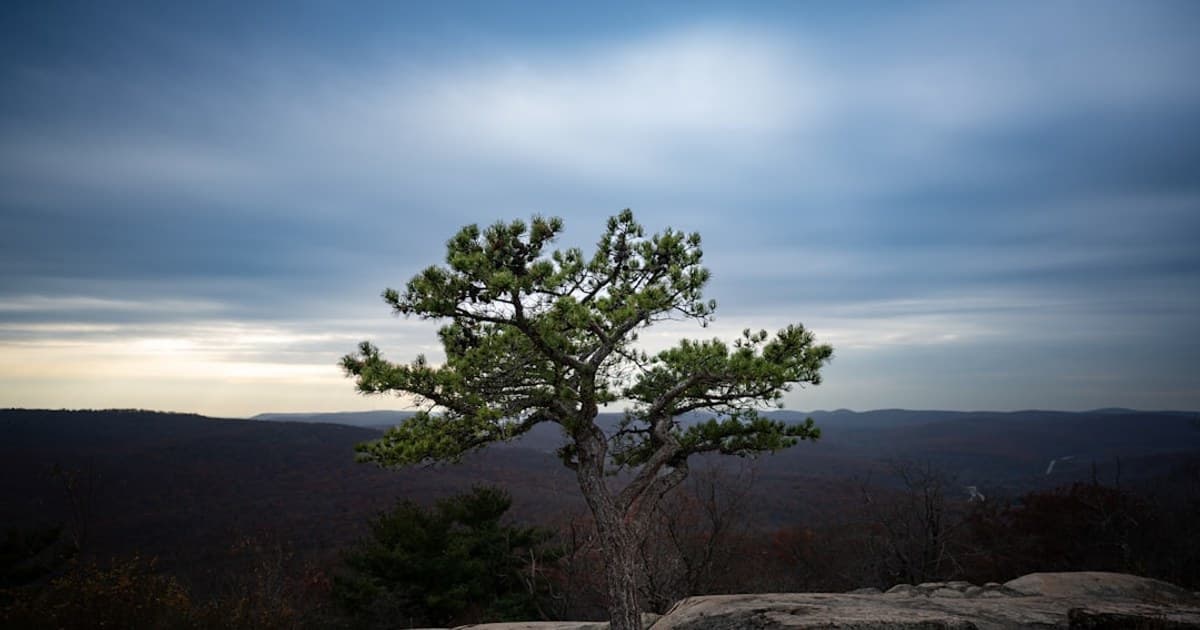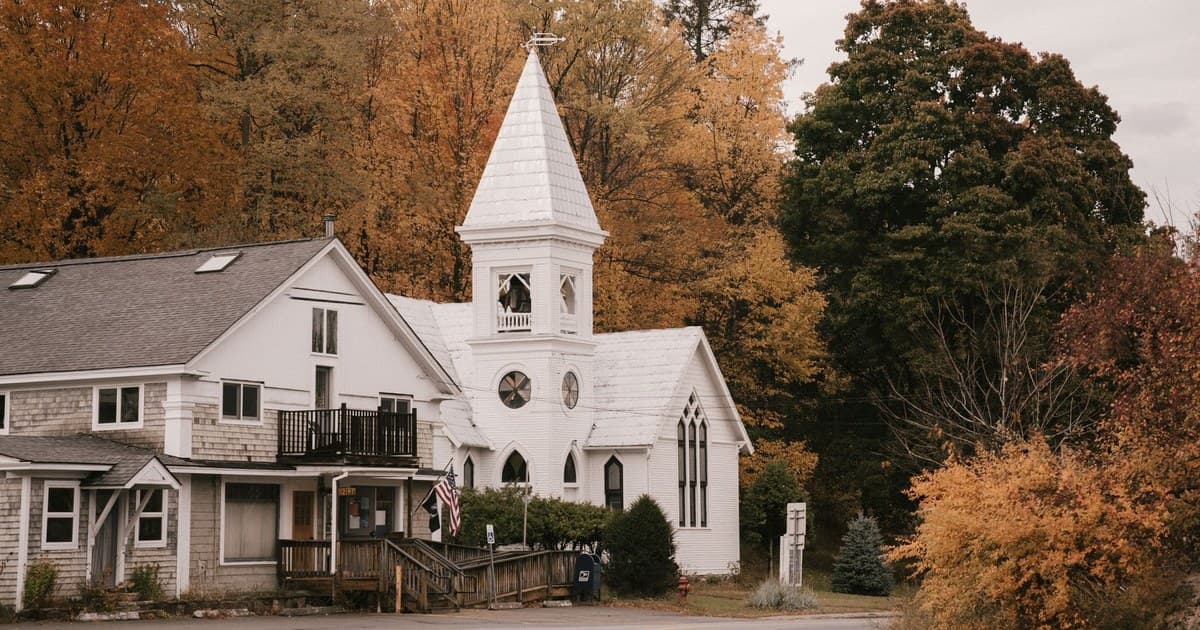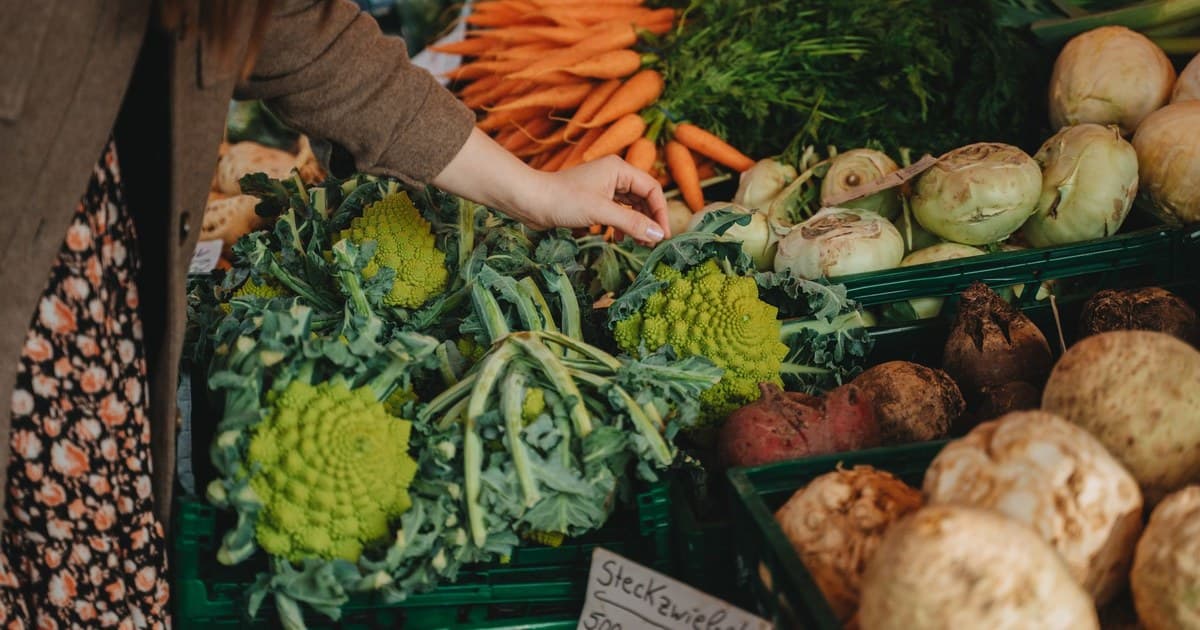
Most wellness retreats treat food as necessary infrastructure. You came for yoga or meditation or breathwork; the meals feed you and remove friction. At its worst, this means lukewarm chickpea soup served at long tables with plastic trays. At its best, it means deliberate, seasonal cooking that functions as part of the practice itself.
This guide covers the latter — Hudson Valley retreats where the food program is a legitimate part of why to go, not an afterthought.
The major retreat centers
Menla Retreat (Phoenicia). A Tibetan-Buddhist-affiliated retreat center in the Catskills, with one of the most serious kitchen programs in the Valley's wellness scene. Vegetarian-forward with vegan options, deliberately spiced in a way that reflects Tibetan and Ayurvedic influences, and interesting from meal to meal. The setting (mountain-ringed lake, traditional architecture) supports the food experience.
Weekend retreats run $400–$900 depending on programming; individual workshops with meals included are cheaper. Not every Menla weekend is food-forward, check the retreat description before booking.
Omega Institute (Rhinebeck). The largest wellness retreat center in the Northeast, with a sprawling campus and a kitchen that feeds hundreds of guests across concurrent programs. The food is consistently good, vegetable-forward, seasonal, with strong plant-based representation, even if the scale means it's not as intimate as smaller retreats. Omega's weekend and weeklong programs run the full wellness gamut; the food is a reliable baseline regardless of which program you book.
Omega's commitment to sustainable sourcing and its on-site gardens make this the Valley's most accessible wellness-food crossover for a weekend visit.
Zen Mountain Monastery (Mount Tremper). More austere than Menla or Omega, a working Zen Buddhist monastery rather than a wellness retreat in the modern sense. The food reflects the practice: simple, vegetarian, served in silence during extended retreats. For guests who want their food to participate in the contemplative structure rather than competing with it, this is the right place. Not for guests wanting a luxury food experience.
Boutique operations
Smaller retreat programming is where Valley food-and-wellness integration often runs sharpest:
Hasbrouck House (Stone Ridge). Not a full retreat center, but the boutique hotel runs yoga-and-food weekend programming with its on-site kitchen. The chef has serious farm-to-table credentials; the pairing of yoga schedule and menu is intentional.
Hotel Lilien (Tannersville). A Catskills-area property with rotating wellness and retreat programming. Food program is notable when the right programming is booked; check the calendar.
Copake Lake retreat weekends. Several private retreat weekends run by various Valley wellness practitioners at Copake Lake properties, yoga, meditation, sometimes plant-medicine-adjacent programming. Food quality varies by organizer; ask.
Yoga-and-dinner pairings (not full retreats)
For a single-evening version of the retreat-food experience without the overnight commitment:
Several Valley yoga studios run occasional yoga-followed-by-dinner evenings with partner restaurants. Common pairings include Kingston studios partnering with Lola Pizza or Stockade Tavern; Woodstock studios partnering with Garden Cafe; New Paltz studios partnering with Huckleberry.
These aren't formally-advertised wellness retreats, they're studio events, but they scratch a similar itch for readers who want the practice-into-meal sequence without booking a full weekend.
The cannabis question
Retreat policies on cannabis vary, and most aren't published. Some properties prohibit it outright, and some programs are run substance-free by design. If it matters to you either way, ask the operator directly before booking.
The legal frame is simple. Adult-use cannabis is legal in New York for adults 21+, bought only from licensed dispensaries (verify licensed status via the OCM QR code at cannabis.ny.gov). It can't be sold at an unlicensed venue, so no retreat can include it in the price of a weekend. And New York state law prohibits cannabis consumption on state-owned land and in public spaces, which includes state forest and state park land.
What to ask before booking
Three questions that tell you what you're buying:
"Is the food vegetarian, vegan, or omnivore?" Most retreat centers default vegetarian or vegan. If you need animal protein to feel well over three days, know before you book.
"Where does the produce come from?" Serious retreat kitchens source locally and will answer this readily. Evasive answers tell you the food is an operational function, not a feature.
"What's the daily meal structure?" Three communal meals, buffet-style, or plated? Some retreats run silent breakfasts; some run "eating is part of the practice" formats; some are more conventional. This shapes the weekend significantly.
The honest close
The Valley's wellness retreat scene is strong but uneven on food. Menla and Omega represent the high end of consistency; boutique operations can exceed them on a given weekend but are less predictable. Do your research on the specific retreat before booking, not just the retreat center as a whole.
Related: Farm Dinners in the Hudson Valley · Mushroom Foraging Dinners · Adaptogen Drinks & Functional Beverages
Jay, Editorial Team
Jay pairs cannabis to setting — town guides, dining, festivals, outdoor adventures, and the regional editorial that ties cannabis into specific places and moments. Their writing anchors the town anchors, cabin and lodging coverage, music heritage and Tanglewood-arts pillars, and the lifestyle context that makes a region feel real.