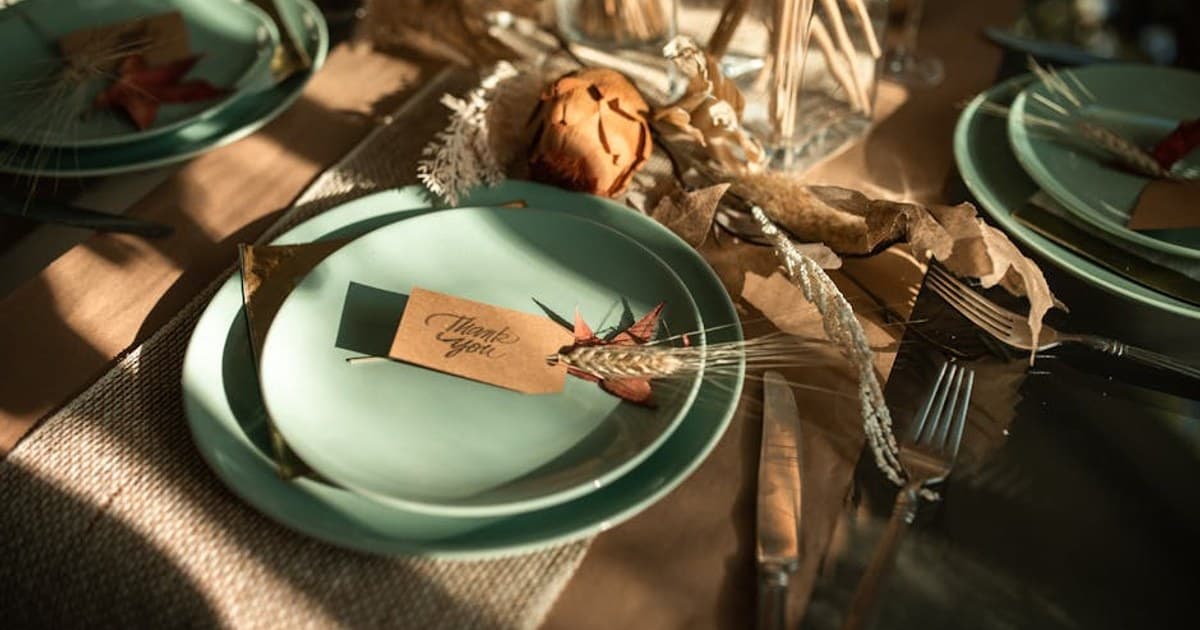
The mushroom foraging dinner is a specific genre: a guided foraging walk in the morning, a cooking session built around what was pulled from the woods, and a seated meal served that evening. Done well, it's one of the most memorable food experiences the region offers. Done poorly, it's a nature walk followed by store-bought mushrooms. This guide sorts the difference.
Fair warning: this is a niche category with limited offerings. We'd rather be honest about that than pretend there are twenty options when there are closer to five.
Catskill Fungi
Catskill Fungi is the organizing force for most serious foraging programming in the Hudson Valley. Based in the Catskills, they run workshops throughout the season covering species identification, cultivation, and occasionally foraging walks that end with a cooking component. Their calendar shifts year to year; check their website for current programming.
The format when a foraging dinner event exists: a 2–4 hour morning walk identifying edible species, a short lecture component on safety and sustainable foraging, and a facilitated cooking session or meal later in the day. Prices run $150–$300 depending on the scope of the meal.
What to expect realistically: the meal uses what was foraged that morning, supplemented with ingredients the organizers know will be needed regardless. This is honest, the foraged yield is variable, and no organizer wants to promise "we'll eat what we find" when "what we find" might be two pounds of chanterelles or nothing at all.
New York Mycological Society events
The NY Mycological Society runs periodic foraging walks in the broader NYC-and-Hudson-Valley region, some of which end with potluck or facilitated meals. These events are typically low-cost ($20–40), more educational than culinary, and better for first-timers who want to learn species identification before spending serious money on a full foraging-and-dinner package.
The downside: they're not always advertised broadly. The Society's calendar and local mycology Facebook groups are the best sources.
Farm-dinner incorporation
A growing number of Valley farm dinners now incorporate foraged ingredients, not as the premise, but as a featured element. The farm chef foraged that morning; the dinner uses what was found alongside the farm's regular produce.
Operations running this format occasionally:
- Glynwood (Cold Spring), periodically runs dinners where foraged ingredients are part of the narrative
- Manor Rock (Hudson), small irregular programming, check their email list
- Rose Hill Farm (Red Hook), incorporates foraged ingredients when the season allows
This is the more accessible version of the foraging-dinner experience: you book a farm dinner, and the foraging is a component of the meal rather than the premise of the event. No expertise required of the guest.
Independent pop-ups
Several Valley chefs run occasional foraging-and-dinner pop-ups that don't slot neatly into the above categories. These are typically announced 2–4 weeks ahead on Instagram rather than through formal event listings.
Two chef types to follow:
Woodstock-area chefs, the density of foraging-forward culinary talent in Woodstock and Phoenicia means pop-ups happen irregularly throughout the season.
Hudson-area chefs, the Warren Street restaurant scene's rotating cast of guest chefs sometimes runs foraging-themed events, especially during autumn mushroom peaks.
No centralized listing exists. Following 5–10 Valley chefs on Instagram and watching for announcements is the way to catch these.
What to know before booking
Three things matter when evaluating a foraging dinner:
(1) Who's leading the forage. Identification errors with wild mushrooms are serious. Lead foragers should have demonstrable experience, verifiable background, published writing or teaching in mycology, or affiliation with a recognized society. "Enthusiast" is not a credential.
(2) Where the forage happens. Private property or permissive-access land only. Foraging on state land in NY is permitted under specific rules (personal consumption, limited quantity, no rare species); commercial foraging or "dinner event" foraging on state land gets into gray territory. Good organizers solve this by using private farmland or licensed commercial foraging arrangements.
(3) What's served if the forage is light. A competent organizer has a plan for "we found less than we hoped." Ask in advance, if the answer is "we'll figure it out," that's a concerning answer.
The season
Foraging dinners run primarily late spring through early fall. Morels in May, summer chanterelles, fall porcini and oysters. Winter foraging is limited; spring is strongest.
Why this is niche
The foraging dinner format is labor-intensive for the organizer, weather-dependent, and unpredictable in yield. The margins are thin; the liability is real (see: mushroom identification errors); the logistics require a forager who's also a cook. Most chefs who could run this format choose to run something more predictable instead.
The version that works, and that we expect to see more of, is the "farm dinner with a foraged course" format. Less risk, easier logistics, still incorporates the forage-to-plate story. Keep an eye on the farm-dinner calendar for pieces that lean this direction.
Related: Farm Dinners in the Hudson Valley · Wellness Retreats with Notable Food · Adaptogen Drinks (the mycology crossover)
Jay, Editorial Team
Jay pairs cannabis to setting — town guides, dining, festivals, outdoor adventures, and the regional editorial that ties cannabis into specific places and moments. Their writing anchors the town anchors, cabin and lodging coverage, music heritage and Tanglewood-arts pillars, and the lifestyle context that makes a region feel real.