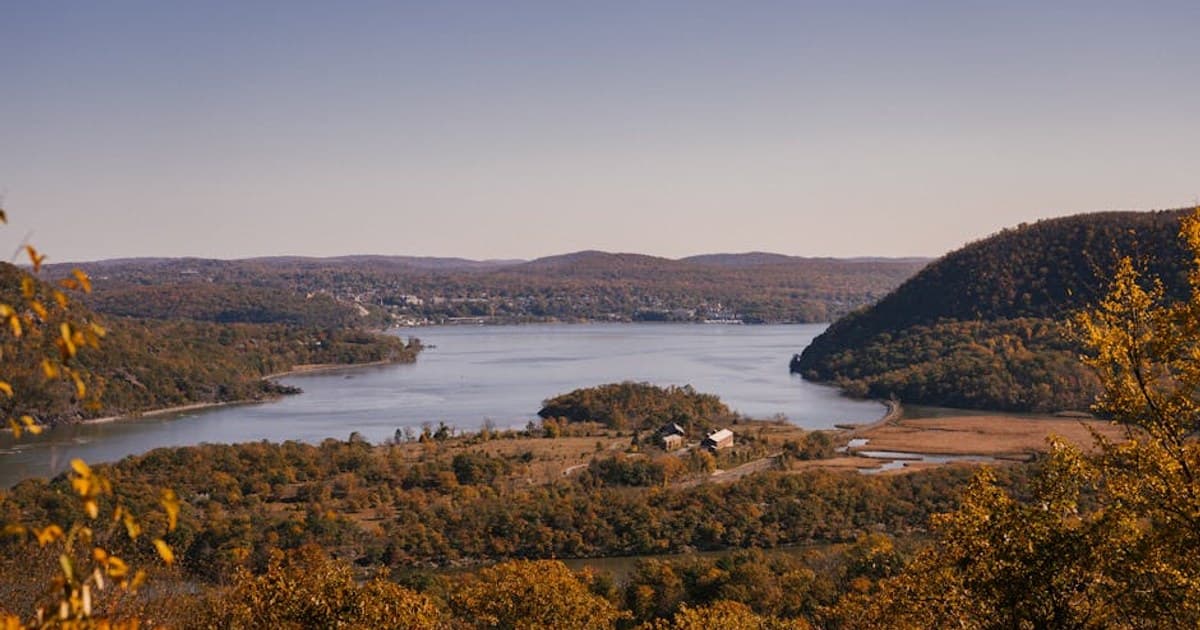



The Hudson Valley is arguably the center of American craft cider. The combination of heritage orchards, serious growers, and the 2010s-onward cider renaissance produced more high-quality cider per square mile here than anywhere else in the country. What's confusing for visitors is that "cidery" covers a very wide range, from orchards running small farm operations to destination tasting rooms backed by major brands. Here's how to sort it.
Destination scale
Angry Orchard (Walden). The Boston Beer-owned flagship. The tasting room is a proper destination, full restaurant and food-truck rotation, extensive tasting flights, active event programming. For visitors, it's the easiest cider introduction; for purists, it reads as commercial. Both are correct. Weekends get crowded.
Treasury Cider (Hyde Park). Smaller than Angry Orchard but in the same category of "destination", tasting room with food, garden seating, a calendar of events. Heritage-apple focused, and the ciders read as more sophisticated than what Angry Orchard is usually pouring. For a first-time Valley cider drinker who wants something more than commercial sweet cider, this is where to start.
Serious small producers
Kettleborough Cider House (New Paltz). One of the Valley's most respected small producers. Limited tasting-room hours; the ciders run drier and more bottle-conditioned than most. Worth planning around.
Dressel Farms (New Paltz). Multi-generational orchard doing both apple and pear-forward ciders. The farm-store setting is part of the appeal, you're buying cider from the same counter that sells this week's donut crop.
Hudson Valley Farmhouse Cider (Staatsburg). The name says it. Farmhouse-style ciders, rustic tasting experience, hours that require advance planning. The ciders are worth the effort.
Bad Seed Hard Cider (Highland). Bigger than Kettleborough, smaller than Treasury. Good tasting room, range of styles from semi-sweet to dry-hopped, reliable weekend hours.
Awestruck Ciders (Sidney, upper Valley edge). Further north than most Valley visits, but worth noting for the fruit-forward cider program, raspberry, ginger, and hibiscus variants that stand out in the category.
Orchard-operated (buying cider at the farm)
A few Valley orchards sell their own cider directly without running a full tasting room. These are the more farm-stand version of the cider experience:
Fishkill Farms (Hopewell Junction). Heritage orchard with house-made ciders sold at the farm store. Not a sit-down tasting experience but the ciders travel home well.
Rose Hill Farm (Red Hook). The farm we cover elsewhere in the farm-to-table pillar. House ciders occasionally available at the farm store.
Breezy Hill Orchard (Staatsburg). Apple-focused farm with a cider program that sells through regional markets and occasionally at the farm itself.
The style landscape
Valley cider spans a wider stylistic range than most drinkers realize. What you'll find:
Semi-sweet table ciders. The Angry Orchard mainstream end. Approachable, apple-forward, often 5–7% ABV. Entry-point category.
Dry, champagne-method ciders. Bottle-fermented, heavily sparkling, paired well with food. Treasury and Kettleborough both excel here.
Heritage-apple ciders. Made from old-variety apples (Gravenstein, Newtown Pippin, Roxbury Russet) that aren't in commercial production. More complex flavor profiles, typically higher priced.
Ice ciders. Concentrated, dessert-category. Treasury does a notable ice cider.
Hopped ciders. Mid-2010s trend, still hanging on. Bad Seed is a reliable producer.
Fruit-infused ciders. Raspberry, ginger, etc. Awestruck leads the category.
How to taste Valley cider
Three practical notes:
(1) Don't skip the dry side. Most visitors start with semi-sweet and never try the dry end. The dry ciders are the more interesting category; they age better, pair with food better, and reward attention in a way the sweet ones don't.
(2) Temperature matters. Serve cold, not freezing. The standard tasting-room pour is 45°F, which is about right.
(3) Respect the ABV. A 750ml bottle of Valley cider often runs 7–9% ABV, closer to wine than to beer. The can format hides this; treat a full bottle like a bottle of wine, not like a six-pack.
Cider stop vs. brewery stop
The cider stop runs differently from the brewery stop: lower volume, more attention to detail, and a tasting flight that typically runs shorter than a brewery one. A 90-minute cider visit leaves the rest of the day open; a brewery visit tends to expand. If you're driving, the shorter flight is the reason to put the cidery last.
Seasonal notes
Fall (September through early November) is peak cider season. The orchards are busy, the cider-release calendars are dense, and the cideries that normally have limited hours open up. Winter is stronger for ice ciders and rarer bottle-aged releases. Spring and early summer are the quieter seasons, good for unhurried tastings but fewer special events.
Related: Craft Beverages in the Hudson Valley · The Brewery Trail, with Food Stops · Farm Dinners in the Hudson Valley
Maya, Editorial Team
Maya covers the sensory and product side of cannabis — aroma, palate, terpene profiles, and the craft of consumption methods from edibles to vaporization to tinctures. Their writing anchors the network's cannabis-education library and the THC-drinks and craft-beverage pillars.