

The Short Answer
Regulated cannabis products are lab-tested before reaching dispensary shelves. Testing covers cannabinoid potency (THC, CBD, and minor cannabinoids), terpene profile, pesticide residues, heavy metals, residual solvents (for extracts), and microbiological contamination. For adults 21 and older, the Certificate of Analysis (COA) is the primary consumer-facing product of this testing, and is worth reading before you buy.
What Gets Tested
Cannabinoid potency. The quantified percentage (flower) or milligrams (edibles, tinctures, concentrates) of THC, CBD, and minor cannabinoids. Label accuracy is the primary use.
Terpene profile. Percentages of dominant terpenes. Premium products carry terpene testing; budget products may not.
Pesticide residues. States set maximum allowable levels for dozens of specific pesticides. Products failing this testing cannot be sold.
Residual solvents. For extracts (live resin, distillate, etc.), residual amounts of extraction solvents (butane, ethanol) must be below safety thresholds.
Heavy metals. Lead, arsenic, cadmium, mercury. Cannabis bioaccumulates heavy metals from soil; this is a concern.
Microbiological. Mold, yeast, E. coli, Salmonella, mycotoxins. Particularly important for immunocompromised consumers.
Water activity / moisture. For flower, proper moisture prevents mold during storage.
The Process
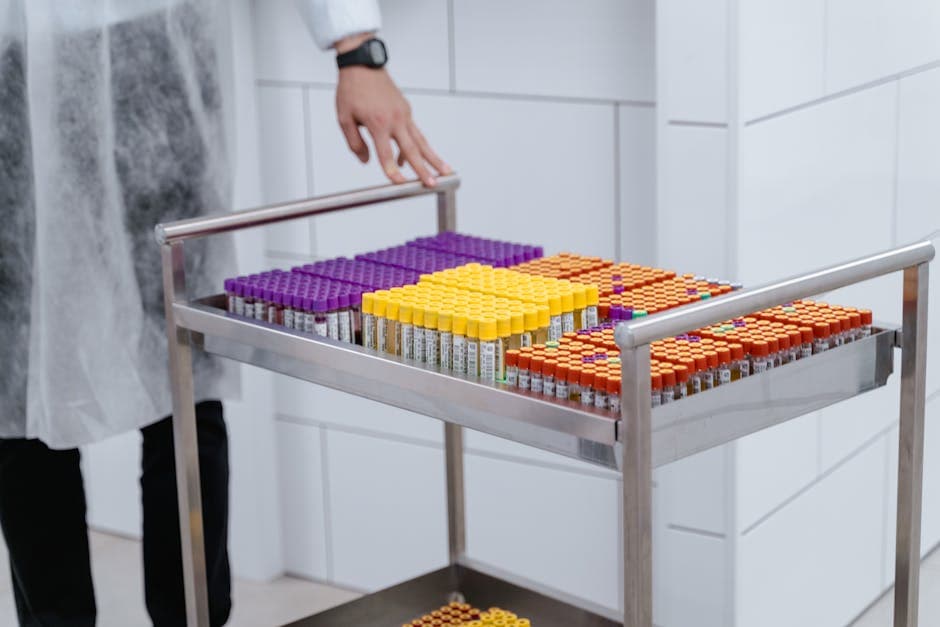
- Sample collection. Accredited lab collects samples from the producer's batch.
- Chain of custody. Samples are tracked through the testing process.
- Analytical testing. Various methods (HPLC for cannabinoids, GC-MS for terpenes and pesticides, ICP-MS for heavy metals, culture-based and PCR for microbiological).
- Certificate of Analysis. Comprehensive results document.
- Pass or fail. Products exceeding thresholds are destroyed or remediated (some categories allow remediation, others don't).
Reading a COA
Key sections:
- Cannabinoid profile. Total THC, total CBD, and detected minor cannabinoids.
- Terpene profile (if tested).
- Pesticide panel. Typically shows "ND" (not detected) or specific levels.
- Heavy metals. "ND" or specific levels below threshold.
- Microbiological results. Pass/fail by category.
- Batch and sample identifiers. Links back to the product package.
COA vs Label
The product label is a summary; the COA is the full report. Label discrepancies occasionally occur, the COA is authoritative. For important purchases (medical use, sensitive consumers), check the COA.
New York Specifically
OCM-licensed retailers sell only products tested by accredited labs under state cannabis testing rules. COAs are required to be available to consumers, typically via QR code on the package or the retailer's website.
Why This Matters
Lab testing is the single largest difference between regulated and unregulated cannabis. Unregulated-market products (illicit delivery, hemp-derived gas-station products) may have:
- No testing.
- Self-reported testing from the producer.
- Testing from accredited labs but no regulatory enforcement of the results.
For consumer safety, lab testing under a regulatory framework is not optional.
Where to Go Next
Related reading: how to read a cannabis product label, licensed vs unlicensed dispensary in New York, and how to choose quality cannabis flower.
---
*This article is consumer education for adults 21+. Nothing here is medical, legal, or financial advice. Cannabis laws vary by state, always verify your state's current rules and, for health questions, consult a licensed clinician. For regulated New York retail, verify licensing via the OCM QR-code system at cannabis.ny.gov.*
Maya, Editorial Team
Maya covers the sensory and product side of cannabis — aroma, palate, terpene profiles, and the craft of consumption methods from edibles to vaporization to tinctures. Their writing anchors the network's cannabis-education library and the THC-drinks and craft-beverage pillars.