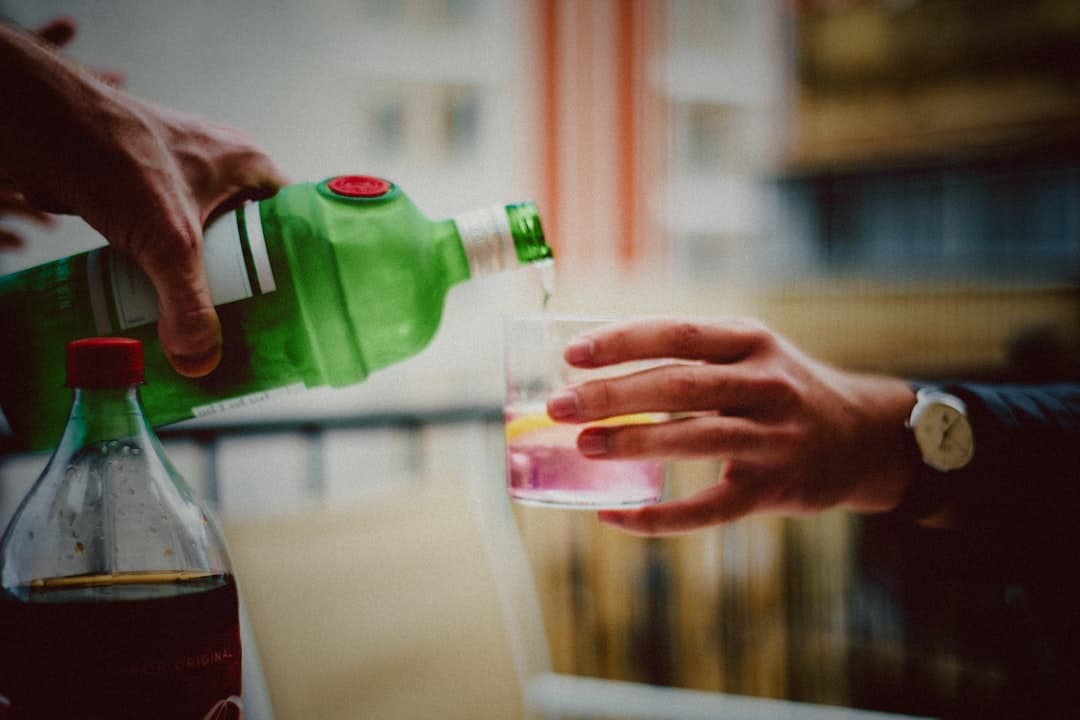
Four years ago, "what do you want to drink?" had three answers: wine, cocktail, or beer. Anything else was an asterisk, a designated driver, a pregnancy, a friend in recovery. The menu wasn't really asking a neutral question.
Today in the Hudson Valley, it's asking a different one. Walk into a dinner party in Kingston or Hudson or Beacon and you'll see wine, yes, but also non-alcoholic spritzes, zero-proof cocktails, and a growing contingent of adults drinking water without apology. At the same time, THC beverages have become one of the fastest-growing products on licensed dispensary shelves. The two trends get lumped together. They shouldn't be.
Two shelves, two regulators
The cleanest way to understand THC beverages versus alcohol in New York is to look at where each is sold.
Alcohol is licensed by the State Liquor Authority and sold at bars, restaurants, liquor stores, breweries, and wineries.
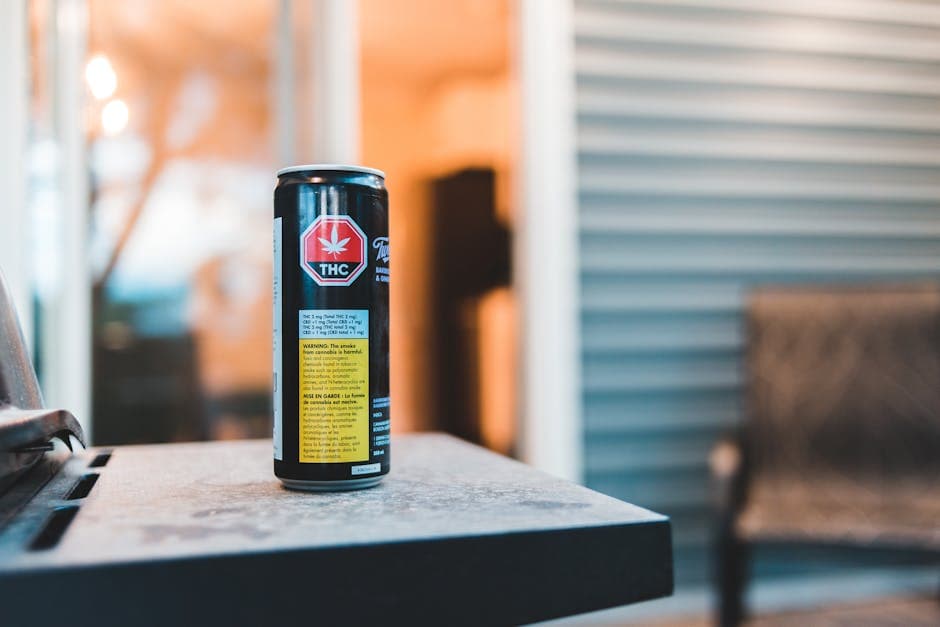
THC beverages are adult-use cannabis products, regulated by the Office of Cannabis Management and sold only at licensed dispensaries to adults 21+. Verify licensed status via the OCM QR code at cannabis.ny.gov.
The two don't overlap. THC beverages are not sold where alcohol is licensed in New York, so a bar, a restaurant with a liquor license, a brewery taproom, or a winery tasting room won't serve them. A THC seltzer isn't a menu alternative to a glass of wine; it's a different product, bought in a different place, under different rules.
How they differ as products
The label is exact. A THC beverage lists its milligrams per can or per serving, typically 2.5mg to 10mg in New York. Every can of a given product carries the same amount.
Onset is slower and less predictable. THC beverages typically take 15–45 minutes to come on, sometimes longer with food, and they last longer than most people expect. Opening a second can before the first has registered is the most common mistake. Start low, go slow.
They don't combine. Mixing THC beverages and alcohol stacks impairment in ways that are hard to predict. Don't combine them, and don't treat "I had a THC seltzer" as equivalent to "I had a club soda." It isn't.
Neither is a health product. THC drinks aren't medically safer than alcohol. They're different.
What's happening with drinking in the Valley
The drinking-less shift is its own story, and it doesn't need a cannabis angle to explain it.
Alcohol consumption is declining among 28–45 year olds. National data shows it; Valley restaurant owners confirm it. Wine lists are shrinking. Non-alcoholic and low-ABV sections are growing. The dry-January-expanding-to-sober-March pattern is visible in point-of-sale data.
Zero-proof programs are getting serious. Bartenders and servers at several Valley restaurants describe customers asking for non-alcoholic options earlier in the meal than they used to. A table ordering mocktails for the first round has replaced "I'll have a cocktail and then see" as a common rhythm.
The home dinner party is changing shape. One bottle of wine for the table instead of three, a non-alcoholic option (a Curious Elixirs, or a homemade spritz), and water, obviously. The host isn't enforcing sobriety; they're acknowledging that not everyone wants to drink.
What this doesn't mean
A few things to not overread:
Alcohol isn't going anywhere. The Valley's wine and cocktail scene is vibrant and remains central to its restaurant culture. The shift is at the margin, one or two drinks per week per person, not a wholesale replacement.
THC drinks aren't the replacement. The growth of zero-proof menus and the growth of THC beverages are separate trends with separate customers, separate stores, and separate laws. Cannabis isn't a swap for the drink at the table.
This is a Valley trend, not a universal one. Demographics here skew toward the 30–55 wellness-minded audience that was going to make this shift anywhere. Other parts of NY aren't seeing it at the same pace.
What changes when you drink less
The pattern, from people who have made the shift: the Friday-night arc compresses. The blurry 10 PM to 1 AM window that used to define a good night becomes a crisp 9-to-11 window, and the Saturday morning that follows is different. For adults balancing wanting an evening out with needing to be functional tomorrow, that trade is the point, and the zero-proof list is what makes it easy.
Related: What California Sober Looks Like in the Hudson Valley · The Hudson Valley THC Drink Guide · Cannabis Drinks for Beginners
Maya, Editorial Team
Maya covers the sensory and product side of cannabis — aroma, palate, terpene profiles, and the craft of consumption methods from edibles to vaporization to tinctures. Their writing anchors the network's cannabis-education library and the THC-drinks and craft-beverage pillars.