

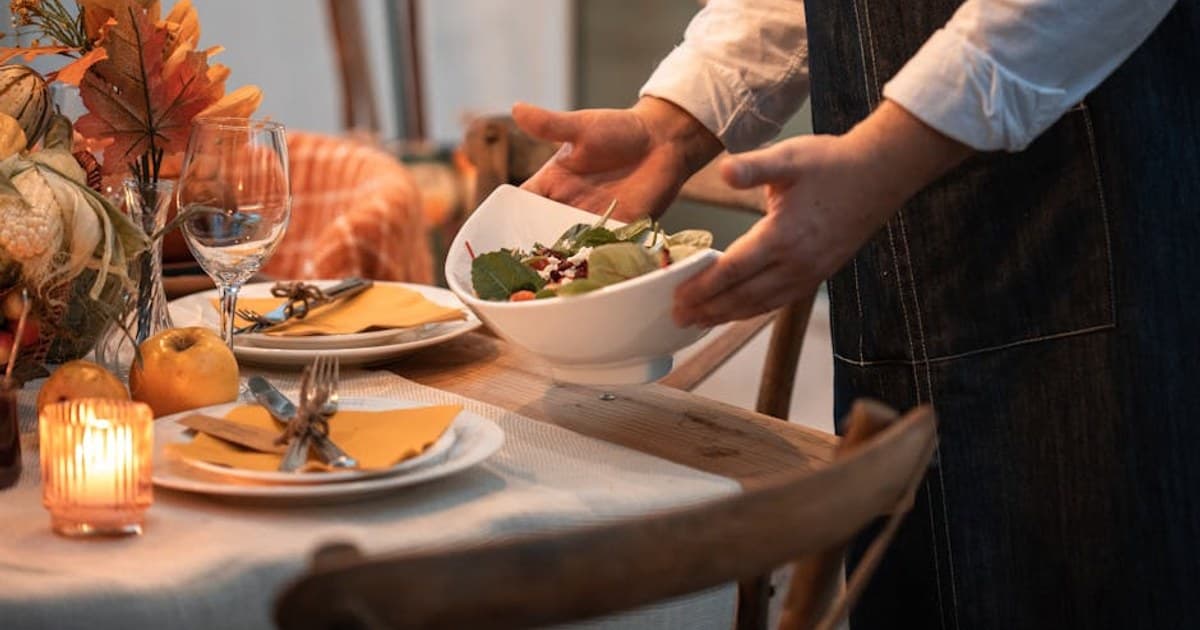
The Hudson Valley has one of the densest farm-to-table restaurant scenes in the country. So dense that most generic guides sort it by star rating and end up useless, the place on top is almost always Blue Hill at Stone Barns, and the rest of the list tells you nothing about what the meal will feel like.
This guide sorts by vibe. Same restaurants, different lens, built for the reader who cares about where the food came from but also cares whether the room lets them breathe.
Destination tasting menus (tablecloth, reservations, occasion dining)
Blue Hill at Stone Barns (Pocantico Hills). The one everyone names first for a reason. Tasting menu built from whatever's harvested that day across the Stone Barns farm. Pacing is four hours, cost is four figures with wine pairings, and the experience is singular. Book months out.
Stissing House (Pine Plains). The tasting menu here runs rigorous, local sourcing is the starting point, not the marketing, and the NA pairing option is the best in the Valley for adults taking the evening off alcohol. Lower altitude than Blue Hill but serious food.
Troutbeck (Amenia). The country-house hotel dining room. Seasonal menu, heavy Dutchess County sourcing, and the room is as good as the food. Lunch is a quieter way in than dinner if you want the experience without the full occasion commitment.
Serious neighborhood (you can book)
Fish & Game (Hudson). Zak Pelaccio's Warren Street restaurant, open-fire cooking, uncompromising sourcing, a room that reads confident rather than fussy. The tasting menu is the way to order; the bar seats are the way to sit.
Terrapin (Rhinebeck). One of the Valley's early farm-to-table standards, still honest about sourcing and still a room where a dinner feels like a dinner. Menu shifts seasonally; the chef's counter is the best seat.
Gigi Trattoria (Rhinebeck). Farm-sourced Italian, the regional-produce thesis applied to pasta and wood-fired meats. Busy on weekends, reliably excellent any night.
Aroma Thyme Bistro (Ellenville). Certified organic, committed, not the kind of organic claim that dissolves on scrutiny. The menu rotates heavily around what's in season. For a Valley reader who cares about sourcing verification, this is the one.
Chill and unpretentious
This is where most farm-to-table guides go wrong. The reader looking for honest sourcing and a relaxed vibe doesn't want to dress up; they want a Tuesday dinner where the beet salad came out of the ground this morning and the server isn't performing.
Lil' Deb's Oasis (Hudson). Caribbean-inspired, vegetable-forward, locally sourced, and the vibe is the opposite of the usual Warren Street formality. The mocktail program is exceptional (see our mocktail guide).
The Corner at Hotel Tivoli (Tivoli). A tiny, warm room with rotating small plates. Sourcing local without making a fuss about it. The bar seats are the move.
Oldham's (Hudson). Lunch-and-dinner neighborhood restaurant with a short menu that changes weekly based on what's arriving from farms. Skews quieter than the Warren Street destinations and cheaper than all of them.
Shindig (Hudson). Brunch-and-lunch farm-forward spot, weekend crowds, weekday calm. The local eggs are the starting point for most of the menu.
Phoenicia Diner (Phoenicia). A diner only nominally, the menu is full farm-to-table, the ingredients are Catskills-sourced, and the room is a classic diner in form. If you can only visit one Valley restaurant on a road trip, this might be it.
Plant-forward specifically
We cover vegan separately (see that guide), but a few farm-to-table places are notable for how well they handle plant-forward menus:
Garden Cafe (Woodstock) is fully vegan but lands in the farm-to-table category because of sourcing. The root-vegetable plates in fall are among the best meals in the region.
The Culinary Institute of America's student-run restaurants (Hyde Park), the various CIA dining rooms run rotating menus that heavily feature local produce. Apple Pie Bakery Café is the casual entry point; the more formal restaurants require booking.
Seasonal notes
The Valley's farm-to-table scene is radically different summer vs. winter. In July the menus are almost comically abundant, tomatoes, corn, stone fruit, everything. In January, the same restaurants are running root-vegetable-and-preserved-protein menus that test the kitchen's creativity in a totally different way.
For a first visit: shoulder seasons (late May, late September) are the sweet spot, the menus have range and the crowds are smaller.
Related: Farm Dinners: Your 2026 Calendar (the flagship) · Best Brunch in the Hudson Valley · Vegan Restaurants, Hudson Valley
Jay, Editorial Team
Jay pairs cannabis to setting — town guides, dining, festivals, outdoor adventures, and the regional editorial that ties cannabis into specific places and moments. Their writing anchors the town anchors, cabin and lodging coverage, music heritage and Tanglewood-arts pillars, and the lifestyle context that makes a region feel real.